Thank you! Your submission has been received!
Oops! Something went wrong while submitting the form. Please try again.

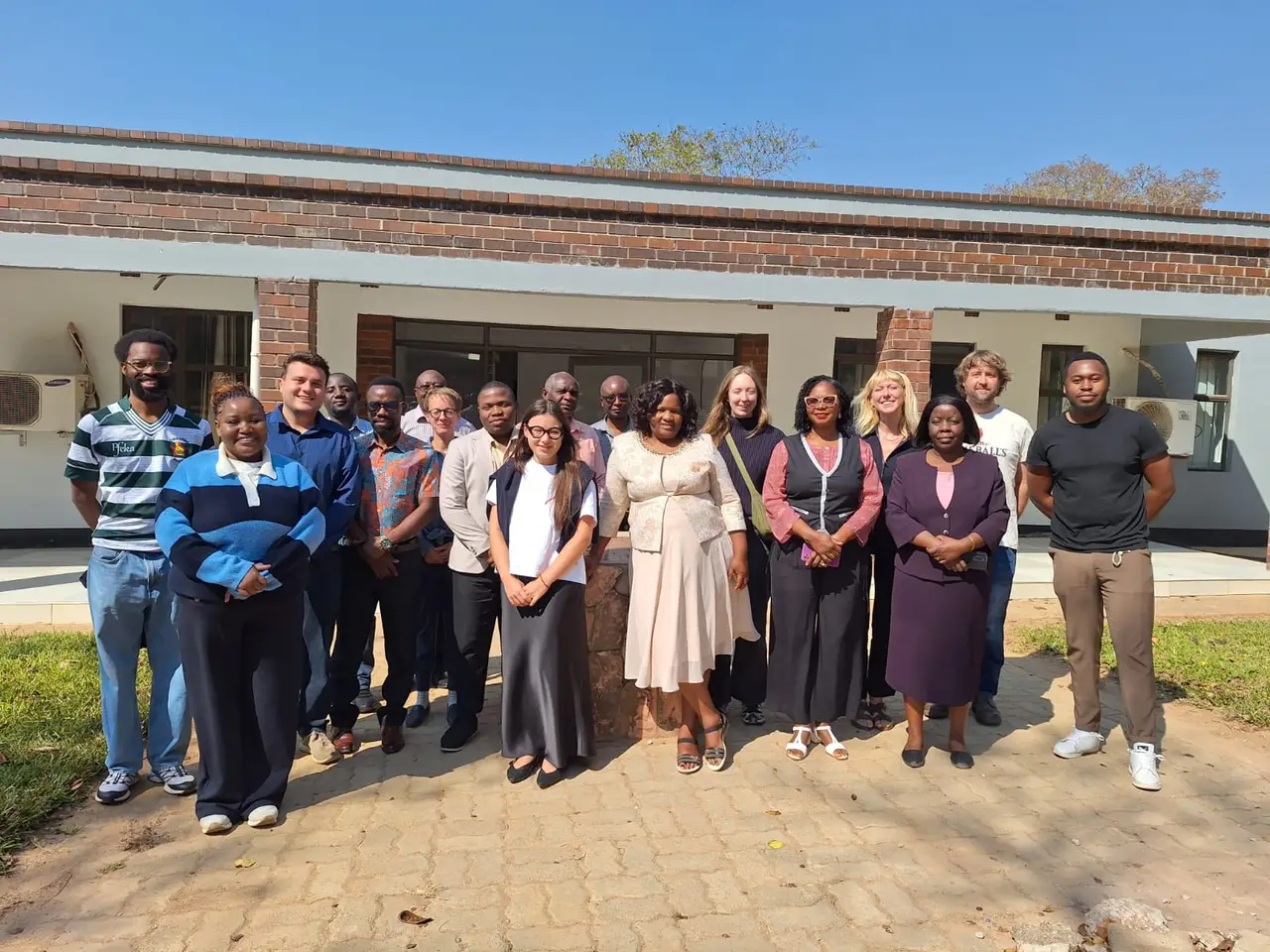
It is a bit more than a week ago that we spent three full days discussing the ways in which mineral extraction has altered the social, economic and physical environment in Southern Africa. Our venue was Mulungushi University, situated, as you might guess, on the banks of the Mulungushi River in central Zambia. The campus lies just outside Kabwe, one of the three case studies of the Boom2Dust Project, and an example of a place that went through the often-described boom-and-bust cycles of mining. The topic at hand was the environmental histories of different mining localities in southern Africa. The conference focused on mineral extraction in Zambia but also covered Namibia, South Africa, Malawi, Congo, and Mozambique. In doing so, we hoped to explore how both industrial and artisanal mining altered physical landscapes, their internal ecologies, and the relationships among the living things that inhabit them.
Moreover, the aim of the Boom2Dust project is not just to foreground human activity, but to treat other species as serious components of an interconnected environmental web. For example, human labour alone did not power the mining centres; animals were quite essential. Additionally, the rapid urban development associated with extraction led to the shooting and displacement of wild animals. Of course, as historians, we are looking for ways to approach multispecies realities seriously, and part of this conference was about creating conversation on how to go about that.
We started the morning with two papers on Kabwe. The first paper was written by our own Walker Swindell of Leiden University. Walker took on the arduous task of incorporating the non-human world into his archival work on colonial Kabwe. As he described, this is not always easy, not leave their own written works in the archives. Nevertheless, he pointed out that the archives are full of so-called animal traces that can be used to reconstruct their history. To add to his work, Walker experimented with a method called ‘reading the landscape’, in which the landscape itself can be used as an archive of environmental history. Walker focused his paper on four different ‘categories’ of animals: 1) tsetse fly, 2) cattle, 3) wildlife, and 4) fish, using those as different lenses to explore the history of Kabwe.

Following Walker’s in-depth analysis featuring non-human animals, the second paper presented by Teckson Njovu of Mulungushi University zoomed out to explore the broader impacts of industrial mining on Kabwe. Teckson connected local environmental and health crises to global economic demands by discussing the surge in extraction that happened during WWII. Read side by side, the two papers offered a more complete picture of the impact of extractivism in the town of Kabwe, and showed the way in which different scales can be used alongside each other to connect something as big as WWII to something as small as a tsetse fly.
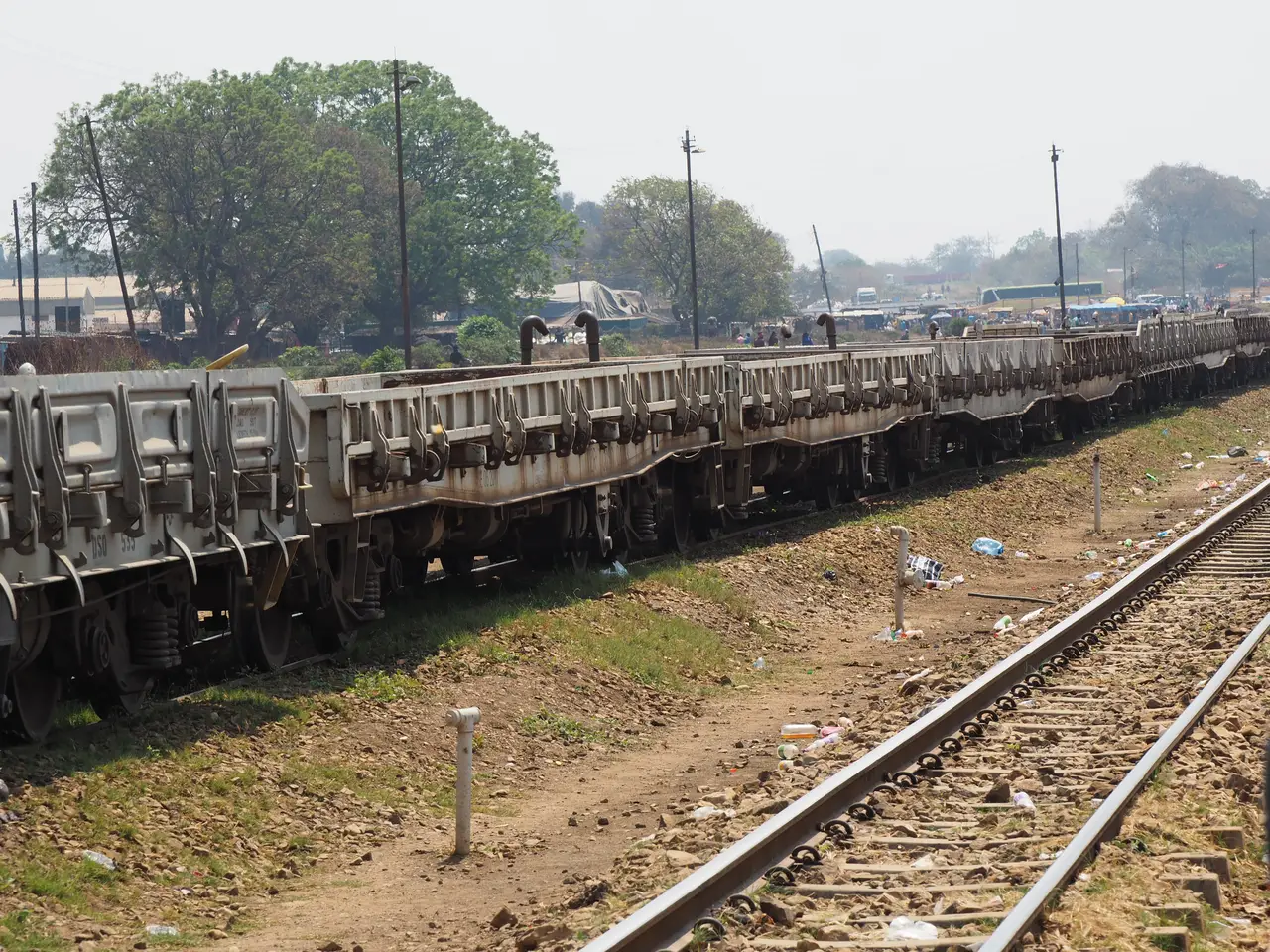
The conference continued with a session on two other case studies in Zambia. First, Audrey Muyuni of Mulungushi University presented a paper co-authored with Austin Cheyeka on the Rhodesian Railway line between 1904 and 1964. The railway was a core component of the mining industry, providing the logistical backbone needed to move extracted minerals outside of the country. Audrey described how railway settlements were spaces where traditional and colonial social values interacted. She used both archival sources and oral history to describe a changing moral landscape in which customary systems of control shifted. Although Audrey’s paper did not directly address changes in the physical landscape, it did describe how railway settlements produced youths who adopted wage labour and developed different relationships to their customary land, raising interesting questions about the human-nature relationships that arise from industrial mining and the transition to formalised labour.
The second paper of the session was presented by Givers Chilinga, who is also a researcher of Mulungushi University. He shifted our focus from historical rail networks to contemporary urban expansion in Livingstone, Zambia. In doing so, he explored how manual stone crushing operates on the urban periphery amid rapid infrastructure development. Givers illustrated how this urban development was effectively subsidised by the physical and ecological costs borne by artisanal stone crushers, trapping them in an intergenerational environmental poverty trap. These two papers differed in their periodisation and focus. Nevertheless, both showed the interconnections between urban centres and mining, albeit operating in opposite directions. In the first case, industrial mining depended on the development of railway economies and the formal employment of rural youth. In the second case, it is the urban expansion itself that depended on artisanal mining.

To close out the day, we turned our geographic focus eastward, wrapping up with two papers centred on Zambia's eastern neighbours: Mozambique and Malawi. While the two studies differed significantly in the types of mining examined, one focusing on artisanal methods and the other on industrial operations, they both anchored their analysis in the hydroscape. In other words, they looked at relationships between mining and water systems. The session began with Japhet Khendlo of Mzuzu University in Malawi discussing the impacts of large-scale uranium mining in northern Malawi. Taking a technical approach and using quantitative data from various villages, Japhet showed that mining's impact on human and livestock health is substantial, and emphasised water pollution. The session continued with Maurício Jesus Sérgio Chipatime of Eduardo Mondlane University in Mozambique, who discussed artisanal gold mining along the Révuè River in neighbouring Mozambique. Maurício set the stage by describing post-conflict stabilisation, free-market reforms, and the intensification of gold mining between 2000 and 2015. Then, he used oral testimonies to describe the substantial impact of artisanal gold mining through the eyes of his interlocutors. Maurício emphasised that artisanal mining was an important economic strategy that depleted the environmental resources it depended on. Most importantly, he revealed that the river was far more than an economic resource for mining alone; it was a space that afforded a multiplicity of uses: agriculture, fishing, and ancestral connection.

The second day of the conference featured a town visit to Kabwe, during which Walker guided us through several of the town's historical sites. We began the morning at the Town Hall, home to the statue of Kabwe Man (Homo heidelbergensis). From there, Walker detailed the development of the local mine. Building on Teckson’s earlier paper, he also contextualised Kabwe’s strategic importance as a supply depot during both the First and Second World Wars. Then, we walked to Kabwe's fig tree, which one may have noticed on the 50 kwacha note. The tree is very big, with sprawling markets surrounding it, and it is immediately clear why it served as a meeting point for traders in pre-colonial times. Standing tall, there is really no way to miss it.
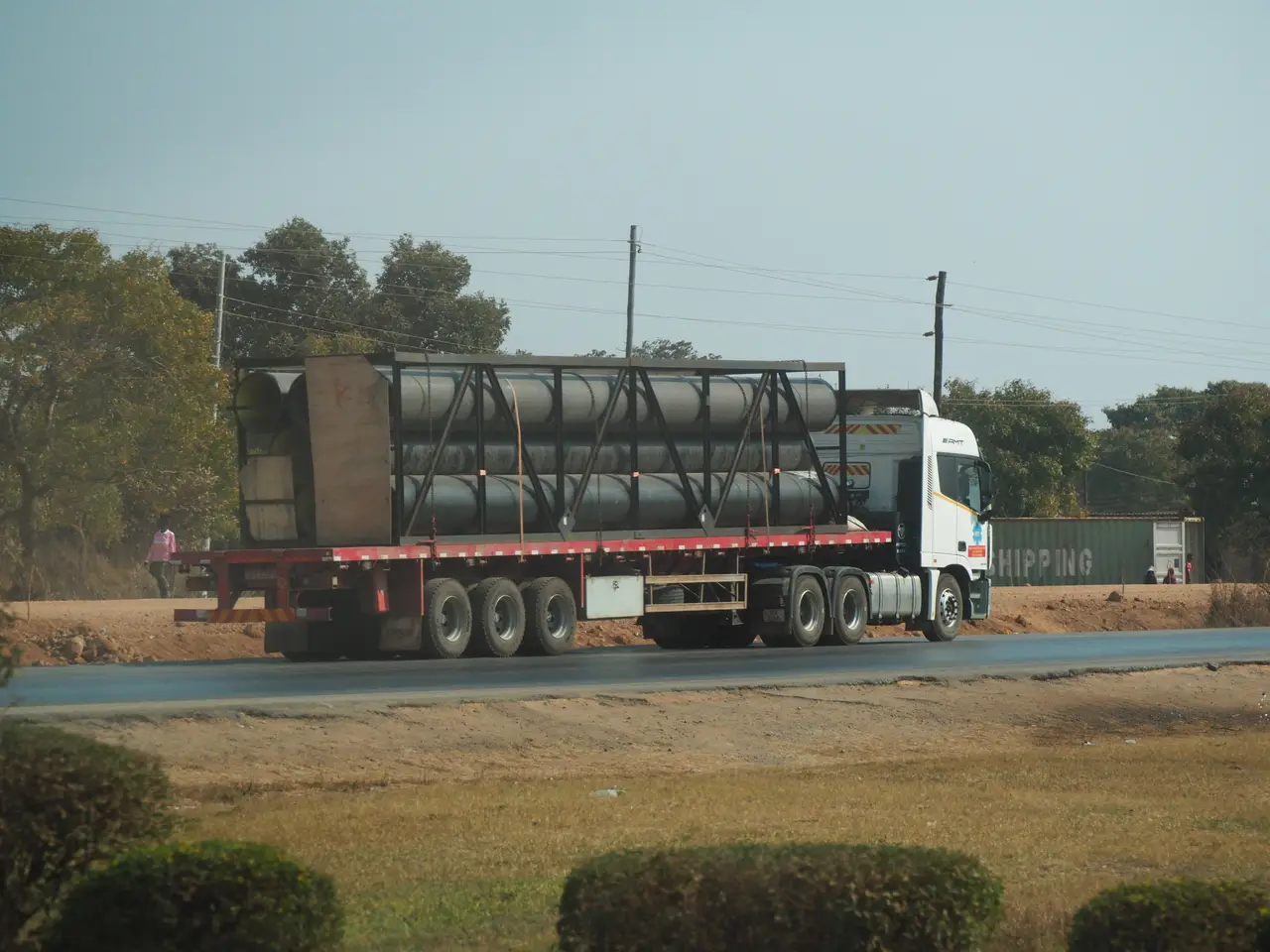
We then visited the Kabwe Railway Station, where Walker enthusiastically shared his knowledge with the conference group. While the current building dates to 1927, it stands on the exact site where the Cape-to-Cairo Railway reached Kabwe in 1906. This line connected the local lead and zinc mines southward to the coastal ports and the mining hub of Kimberley, the other locality of the Boom2Dust project. The line eventually pushed northward into the Copperbelt. Of course, despite Cecil Rhodes’s imperial vision, the railway ultimately ended in Lubumbashi and never reached Cairo.
We started the third day with a session themed around the multispecies connections to mining. The first paper was presented by Craig Paterson of Rhodes University in South Africa, who sought to demonstrate the theoretical grounding of 'walking methods' in historical research. According to Craig, the problem with more-than-human studies is that, if we want to capture a multispecies reality, “there is neither an archival grain to read along, nor is there one to reliably read against”. Although this epistemological problem may seem familiar to the anthropologist concerned with the present day, it may be foreign to the historian concerned with the past (and yet familiar once again to those concerned with the deep past). Craig explained that the physical landscape is not so different from the written archive: in both spaces, the researcher must be highly attuned to what they are seeking. Furthermore, for both the walker and the reader, the sequence in which these details are encountered shapes the knowledge produced. Ultimately, Craig argued that if a historian wants to move beyond the human representation of animals, walking is, pun intended, a step in the right direction.

The second paper of the session was presented by Panashe Madamombe of Leiden University presented the second paper. Central to his research was the roan antelope, a species appropriated as a symbol by the copper industry while the living animals were evicted from their native habitat. While grappling with the very epistemological absence Craig had just outlined, Panashe integrated archival and ethnographic materials to juxtapose the different places the animal occupied within Lamba cosmology versus settler-colonial paradigms, particularly highlighting the divergent meanings attached to killing them. Moreover, Panashe used regional ecological studies to reconstruct the material impact of copper mining on the landscape and the implications for antelope’s living space. Both papers offered methodological insights on doing multispecies history: Panashe demonstrated how pursuing animal traces can yield rich historical narratives, and Craig provided a spatial methodology to push research beyond the textual archive altogether.
We then transitioned to a session featuring two papers focused on the Democratic Republic of the Congo, both presented by researchers from Ghent University. Retaining the conference’s multispecies lens, this panel examined the historical food supply of the mines. In particular: maize and cattle. Femke de Nil concentrated her presentation on the maize economy that fuelled mining in the Katanga region in colonial times. Femke offered insights into how the mining company Union Minière du Haut-Katanga sought to optimise mineworker productivity by creating an obsessively controlling food regime centred on maize. The need for cheap food necessitated the creation of agricultural monocultures, linking industrial mining to serious environmental and social consequences in the region.
Elene Vernaeve’s paper complemented Femke’s work perfectly, as it centred around another aspect of food production: cattle. Similar to maize production, Elene pointed out that the development of the cattle sector was intrinsically linked to the growth of the mining industry. Specifically, she explained how disease-control measures in the cattle sector reconfigured the region's spatial order. As other conference participants noted, these spatial and ecological interventions reveal historical parallels with other countries in Southern Africa, such as Namibia. Together, both papers in this session substantiated that industrial mining has knock-on effects that go far beyond the mining pit.
After a short break, the discussion shifted back to Zambia with two scholars from the University of St. Gallen in Switzerland. In the first paper, Robby Kapesa discussed what is known as the ‘paradox of plenty’ or the ‘resource curse’. In other words, while Zambia has been a global supplier of copper since the 1930s, this has not translated into high living standards for Zambians. In his paper, Robby demonstrated that almost every aspect of the copper industry is dominated by foreign nationals. In his paper, Robby included excerpts from his interviews showing that people living in rural villages felt like illegal settlers on their own land. He also showed that in some cases, such as political active youths in Kitwe, intrusion can be successfully resisted. Whereas Robby gave a macro-level perspective on these capital-state relationships, Rita Kesselring provided a micro-level ethnographic examination of a specific case study in Solwezi. In doing so, Rita demonstrated how corporate engagement with environmental, social, and governance frameworks served as a calculated risk-management tactic designed to protect global shareholder value.
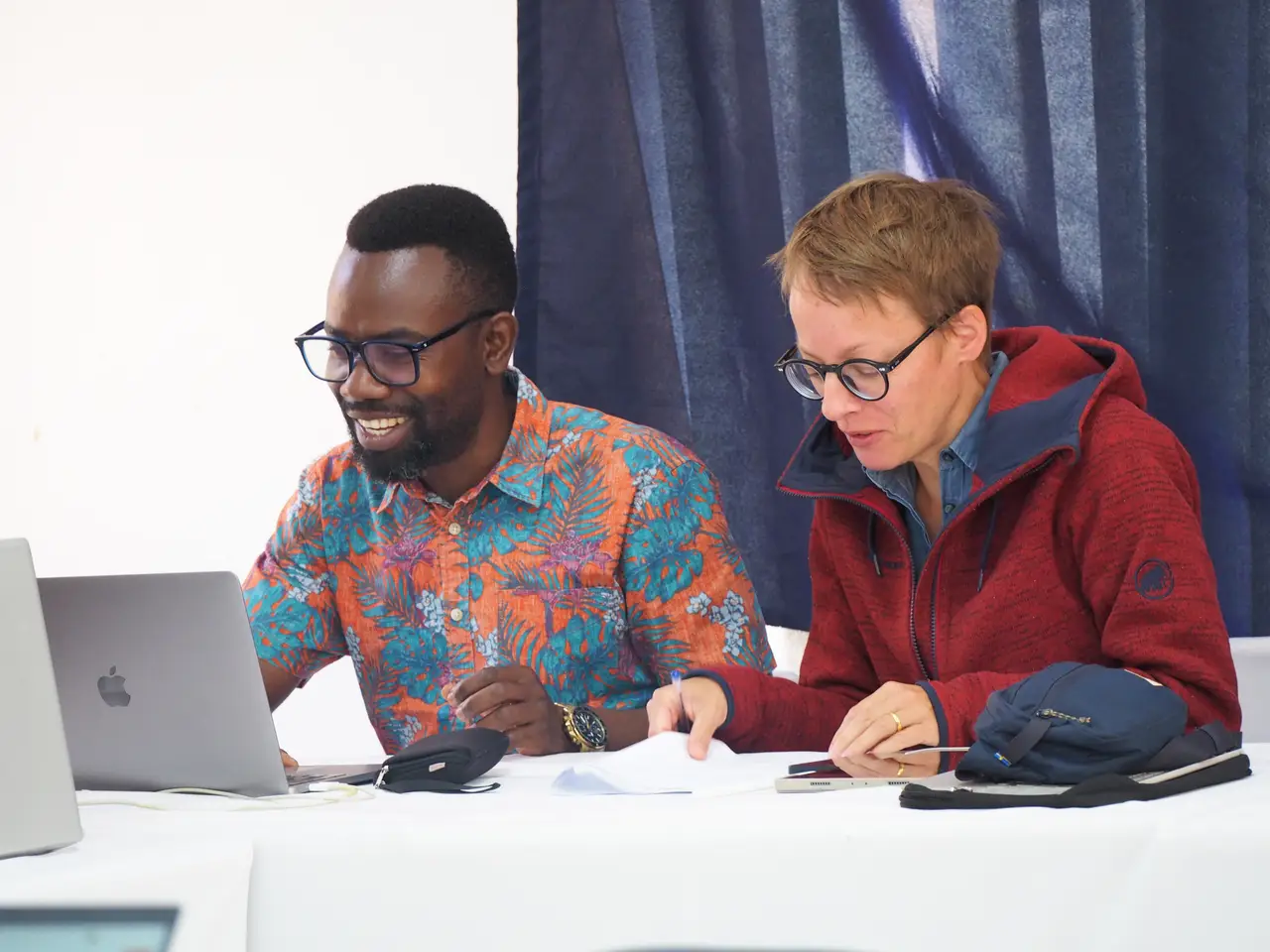
In the final session, I presented my own paper on labour desertion, drawing from my PhD project centred on the mining town of Tsumeb in the north of Namibia. Utilising company 'desertion' files from the 1930s and 1940s, I explored the spatial contest in northern Namibia between deserters and colonial authorities. While it is often assumed that colonial actors viewed the landscape merely as a site of economic exploitation, the archives revealed that the environment around the mine was also a site of surveillance. For example, authorities closely monitored the specific paths labour deserters would follow, determining which water points they would need and how those resources should be patrolled.
After this, Mary Mbwewe of Mulungushi University recounted the biography of Xavier Kofie, the language tutor and research assistant to anthropologist Godfrey Wilson at Broken Hill (modern-day Kabwe). Drawing on Wilson’s personal archival notes, Mary reconstructed the details of Kofie’s life, illuminating the role he played in shaping important anthropological research within colonial Zambia. And through Mary's presentation, the conference came full circle, beginning and ending in Kabwe.

After two days of discussing papers, a one-day field trip and countless interesting conversations beyond the formal programme, the workshop proved to be inspiring and thought-provoking. The papers shared a common denominator in their focus on mining in southern Africa, yet differed immensely in their approaches. In their aim, the papers could broadly be put into three categories: research that seeks to understand the impact of environmental change (be it social, economic or environmental), research that seeks to understand the processes through which environmental change takes place and research that seeks to develop new methods of approaching environmental change. Of course, there were some outliers (myself included). The papers could also be grouped into categories based on the methods used. There were quantitative methods, ethnographic methods and archival methods to approach environmental change from different angles.
I remember in the first class of my bachelor's in ‘environmental sciences’, the class was asked to define ‘the environment’. The lecturer then proceeded to show a PowerPoint slide with a quote by Albert Einstein: “the environment is everything that is not me”. Though this seems a bit like a joke, and a silly game of semantics, it captures two fundamental truths of the subject matter. First, the scope of environmental studies is immense. And second, looking at the environment is inherently a matter of perspective. Without getting lost in those definitions, the conference reminded me that interdisciplinary discussion is the way to go; otherwise, we risk being blinkered.
Through this cross-pollination of anthropology, history, geography, political sciences and environmental sciences, some common themes emerged. First, the papers showed how industrial mining, in particular, was tied to an entire economy that facilitated it. Most of all, that these flows of materials link the development of urban centres with rural peripheries wherever we look. Second, both artisanal and industrial mining have social impacts and change the ways people live and relate to their physical environment. Finally, mining and the environmental change it brings about, changes the world beyond the human alone. Yes, it is not easy to write multispecies history, but these methodologies offer an exciting path forward.
An incredible amount of effort was poured into this conference by our own Walker Swindell. We would also like to extend our deepest gratitude to Dr. Mary Mbewe for her instrumental role in organising this successful event, alongside the dedicated staff of Mulungushi University who provided accommodation and dinners. Furthermore, we would like to thank Dr. Marja Hinfelaar and the Southern African Institute for Policy and Research (SAIPAR) for lending their bus and assisting in facilitating the event.